Catford Broadway man and van tips for narrow street access
Trying to move on or around Catford Broadway can feel straightforward on a map and then, very quickly, not so straightforward in real life. Narrow streets, parked cars, awkward corners, delivery traffic, and the usual London squeeze can turn a simple man and van job into a bit of a puzzle. The good news? With the right planning, a narrow-access move can still be calm, efficient, and surprisingly smooth.
This guide brings together practical Catford Broadway man and van tips for narrow street access, based on what actually helps on moving day: choosing the right vehicle size, planning loading space, avoiding blockages, protecting items, and knowing when to use extras like packing and boxes or storage. If you are moving flat contents, furniture, student belongings, or a small office setup, the details here can save time, stress, and a few bruised elbows too.
Let's face it, narrow streets do not care how organised you feel. But a little local know-how goes a long way.
Table of Contents
- Why narrow street access matters in Catford Broadway
- How a man and van move works in tight access areas
- Key benefits and practical advantages
- Who this is for and when it makes sense
- Step-by-step guidance for a smoother move
- Expert tips for better results
- Common mistakes to avoid
- Tools, resources and recommendations
- Law, compliance, standards, and best practice
- Options and comparison table
- Case study example
- Practical checklist
- Conclusion
- Frequently asked questions
Why Catford Broadway man and van tips for narrow street access Matters
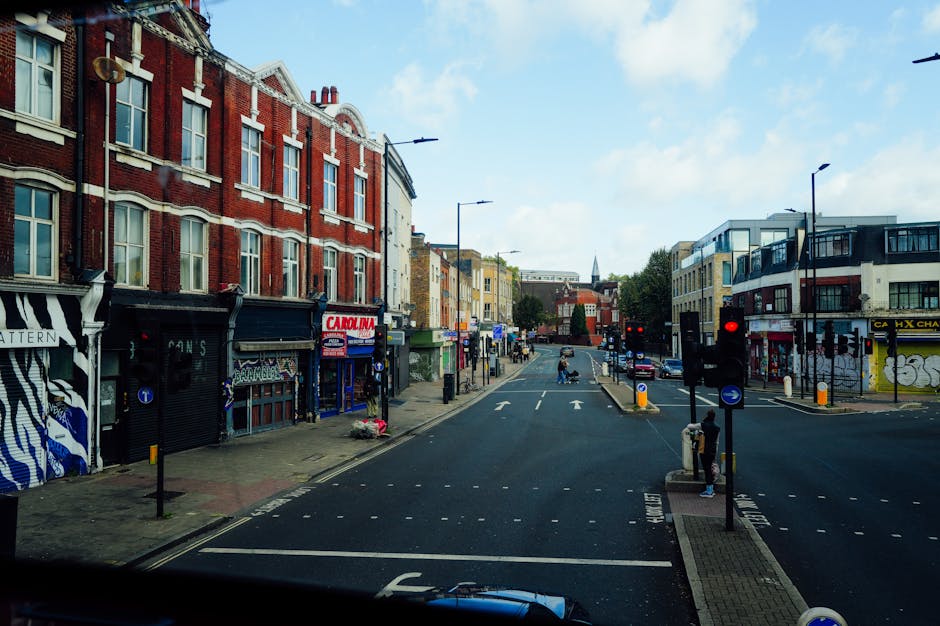
Narrow street access changes the whole shape of a move. On a wide road, a van can often pull in, park close, and keep loading time short. On a tighter Catford Broadway street, that same process may require a bit more choreography: fewer parking options, more walking distance, careful timing around traffic, and more awareness of neighbours, cyclists, and passing vehicles.
This matters because every extra metre between front door and van adds effort. Every minute spent moving the vehicle is a minute you are not loading. And every poor decision, such as bringing a vehicle that is too large for the road, can create a chain reaction: blocked access, delayed loading, unhappy neighbours, and extra costs. Nobody needs that on moving day.
In practical terms, narrow access affects:
- how close the van can safely stop
- how quickly items can be moved between property and vehicle
- whether larger furniture can be carried without awkward turns
- how much help or equipment is needed
- the risk of minor damage to items, walls, or door frames
That is why people often pair careful access planning with services such as man and van, removal van, or even broader removal services when the job is a little more involved. The vehicle is only part of the story; access is what makes the whole move work.
How Catford Broadway man and van tips for narrow street access Works
A narrow street move usually works best when it is treated as a logistics job, not just a lift-and-go job. The idea is simple: reduce uncertainty before moving day so the crew can spend their time carrying items, not solving avoidable problems at the kerb.
Here is the basic flow. First, you assess access honestly. That means checking road width, where the van can wait, whether there are bends or parked cars, and how far the front door is from the closest safe stopping point. Then you match that access to the right vehicle and crew setup. In some cases, a compact van is better than a larger vehicle, even if it means a few extra trips. In other cases, a larger van is still fine if the road layout allows a sensible pull-in point.
Next comes packing and loading order. Items that are heavy or awkward should be staged near the exit, while smaller boxes are grouped so they can be moved quickly. Good movers often load in layers: furniture and heavy items first, fragile boxes later, and any last-minute loose items separately. This is where packing and unpacking services can make a big difference, especially if the property has stairs or a tight hallway.
There is also the timing side. In a busy local area, arriving during the wrong window can mean slow traffic, blocked loading positions, or too many cars already parked outside. A move that starts a bit earlier, or avoids school-run pressure and peak delivery times, is often much calmer. Simple, but true.
Finally, the move should be managed with a safety-first mindset. That means clear communication, sensible lifting, protection for furniture edges, and realistic expectations about what can be done in one trip. If an item is simply too large to turn safely, the plan should adapt. No heroics. No wobbling wardrobes through a doorway that is clearly not interested.
Key Benefits and Practical Advantages
Planning for narrow access is not just about avoiding hassle. It produces real benefits that you will notice on the day and probably appreciate even more afterwards.
- Faster loading and unloading: Better access planning reduces delays between the property and the van.
- Lower risk of damage: Shorter carrying distances and more careful vehicle placement reduce bumps, scrapes, and awkward lifts.
- Less disruption for neighbours: A well-managed stop point keeps pavements and entrances clearer.
- Smarter vehicle choice: You avoid paying for a vehicle that is awkward or unnecessary for the road.
- Better packing discipline: When access is tight, boxes tend to be packed and labelled more thoughtfully.
There is also a quieter benefit: peace of mind. Once the access question is solved, the rest of the move feels much more manageable. You stop wondering whether the van can get close enough and start focusing on the move itself. That shift matters a lot when you are already juggling keys, utility notices, building access, and a dozen other little details.
For bigger home or business moves, narrow access planning often pairs well with home moves, house removals, or commercial moves where timing and building access matter just as much as loading capacity.
Who This Is For and When It Makes Sense
This approach is useful for anyone moving in or around Catford Broadway where the street layout is tight, parking is limited, or the property access is a bit awkward. That might be a top-floor flat, a terraced house on a narrow road, a student room, or a small office tucked away from main-road access.
It makes particular sense if:
- the road has limited stopping space
- cars are regularly parked tightly on both sides
- there is a narrow driveway, alley, or courtyard entry
- your furniture includes sofas, beds, wardrobes, or pianos
- you need a same-day move or a tight turnaround
Students and renters often benefit from this kind of planning because their moves are usually smaller but more time-sensitive. A compact and well-coordinated move can be ideal, which is why student removals are often arranged around speed and simplicity rather than bulk volume. Flat moves can also be a very good fit, especially where stair access is the main challenge rather than overall quantity.
If you are moving an office or setting up a small workspace, narrow street access can matter even more than people expect. Office furniture can be modular, but printers, filing cabinets, monitors, and boxed records still need a sensible route in and out. Nobody wants a rushed carry through a narrow entrance at 8:15 on a wet Tuesday morning. To be fair, that is how mistakes happen.
Step-by-Step Guidance
Here is a practical way to approach a Catford Broadway move when access is tight.
- Measure the access properly. Check street width, entrance width, hallway turns, stair landings, and any low overhangs or tight corners. If you are not sure, walk the route from the road to the room with a tape measure or even a notebook.
- Identify the closest safe stopping point. The aim is not to park directly outside at all costs. The aim is to find the nearest lawful, safe point that allows realistic loading.
- Match the vehicle to the access. A smaller van may be the better choice if the road is tight. A larger vehicle can work if the area allows it, but do not assume bigger is automatically better.
- Pack for easier carrying. Use strong boxes, keep weight manageable, and label awkward items clearly. If you are moving furniture, dismantle items where sensible and keep screws in a sealed bag.
- Stage items near the exit. If possible, bring boxes and small items to one room near the door before the van arrives. That cuts down on the most tiring part of the day.
- Protect the route. Door frames, bannisters, and corners can take a beating during a hurried move. Blankets, covers, and careful handling are worth the effort.
- Keep communication simple. One person should direct the flow if the space is tight. Too many voices in a narrow hallway can get messy fast.
- Build in a little buffer time. Roads, parking, and building access rarely go exactly to plan. A cushion of time makes the whole day less tense.
If an item is unusually awkward, like a heavy wardrobe or a piano, it is worth looking at specialist help rather than improvising. Services such as piano removals or furniture removals are there for exactly these situations, where access and handling both need extra care.
Expert Tips for Better Results
Most access problems are not dramatic. They are small issues that add up. These tips help keep them small.
- Pre-sort by carry distance: Put the heaviest and least flexible items closest to the exit, not buried behind lighter boxes.
- Avoid overpacking boxes: Tight street access means more carrying, and overfilled boxes get dangerous quickly. Especially on stairs.
- Use soft padding generously: A folded blanket on a corner beats a chipped wall every time.
- Keep the loading zone clear: Shoes, plant pots, recycling bags, and random bits of furniture always seem to appear underfoot when space is tight.
- Ask about van size early: Do not leave the vehicle question until the morning of the move. It is one of the easiest things to fix in advance.
- Plan for the return trip: If the van cannot stay outside, make sure the driver knows where to reposition quickly.
One practical observation from tight-access moves: the front hallway is often the real bottleneck, not the street. If you can get the inside route clear, the street issue becomes much easier to manage. Funny how that works. A tidy hallway can save a lot of arguing over a sofa that is three centimetres too wide for optimism.
For jobs where the access is tight but the move is relatively small, man with a van or man with van options may be worth considering, while larger or more complex jobs may suit a fuller removals approach.
Common Mistakes to Avoid
Small access errors have a habit of becoming big moving-day frustrations. These are the ones that cause the most trouble.
- Assuming the van can stop outside: In narrow areas, this is often the first assumption to fail.
- Not checking turn-in space: A road might look fine until the driver needs to swing in or reverse out.
- Ignoring parking pressure: If the street is full early, your plan needs a backup.
- Using boxes that are too heavy: Heavy boxes are awkward on stairs and slow everything down.
- Forgetting building rules: Flats, managed blocks, and shared entrances can have their own moving expectations.
- Underestimating fragile items: A narrow route is not the place to discover that the lamp is wobblier than it looked in the lounge.
Another quiet mistake is not being honest about the scale of the move. If you have more furniture than you first thought, or if the access is tighter than expected, it may be sensible to upgrade the support rather than pushing through with the wrong setup. This is where a conversation with experienced movers can help. You do not need drama; you need a workable plan.
Tools, Resources and Recommendations
You do not need a shed full of specialist kit to manage a narrow street move. A few sensible tools make a noticeable difference.
- Measuring tape: Useful for checking furniture dimensions, doorways, and tight corners.
- Furniture blankets or pads: Helps protect edges and surfaces during awkward carries.
- Strong marker pens and labels: Makes it easier to group boxes and keep priority items separate.
- Flat-pack tool kit: Basic screwdrivers, Allen keys, and a small bag for fixings.
- Gloves with grip: Handy when carrying in damp weather or moving heavier items.
- Clear sacks for loose items: Good for bedding, soft goods, and odd bits that would otherwise go missing.
It can also help to think about storage if your access issue means the move has to happen in stages. For example, if the new place is not ready, or if the van cannot unload everything in one clean run, storage can ease the pressure. Likewise, if you need help choosing the right vehicle type, a look at moving truck or removal truck hire pages may help you compare options without guessing.
For general moving support, many people also find it useful to review packing and boxes guidance before the move so the load is easier to handle from the first trip onward.
Law, Compliance, Standards, and Best Practice
For a local move, you do not usually need to get lost in regulation jargon, but it is worth being aware of a few basic standards and expectations. In the UK, road safety, safe loading, careful lifting, and lawful parking matter. That sounds obvious, but in a narrow street these basics become very real, very quickly.
Good practice generally means:
- parking only where it is safe and permitted
- avoiding obstruction to pedestrians, cyclists, and other vehicles
- loading and unloading in a way that reduces risk of injury or damage
- checking insurance cover for goods in transit and public-facing operations
- handling items in line with sensible health and safety expectations
If you are booking a mover, it is reasonable to ask about safety procedures and insurance in plain English. A reputable operator should be able to explain how they manage loading, handling, and route planning. If you want to review the kind of standards and safeguards a provider may follow, pages like health and safety policy and insurance and safety are useful reference points.
It is also sensible to understand the booking terms, payment expectations, and cancellation conditions before moving day. Tight-access jobs can sometimes need extra time or a different vehicle plan, so clarity matters. A quick read of terms and conditions and payment and security can save awkward conversations later. Not glamorous, but helpful.
For business relocations, if your move involves office equipment, records, or multiple staff members, the compliance side becomes more important. In that case, office removals or office relocation services may be a better fit than trying to improvise a general move.
Options and Comparison Table
There is no single best option for every narrow-street move. The right choice depends on access, volume, budget, and how much handling support you need. Here is a straightforward comparison.
| Option | Best for | Strengths | Watch-outs |
|---|---|---|---|
| Small man and van | Light to medium moves, tight roads, short carrying distances | Easier access, flexible parking, often faster in narrow streets | May need more trips if volume is higher than expected |
| Larger removal van | Medium moves with more furniture or boxes | More capacity, fewer journeys | Can be awkward on very tight roads or sharp corners |
| Full removals support | Homes, flats, or business moves with more complexity | More help with loading, route planning, and handling awkward items | May be more than you need for a small load |
| Split move with storage | Moves where access or timing is not fully aligned | Reduces pressure if the property is not ready in one go | Requires extra coordination |
As a rule of thumb, the tighter the street, the more valuable flexibility becomes. A smaller vehicle with good planning can outperform a bigger truck that looks impressive but spends half its time trying not to block the road. That is not exactly the sort of efficiency anyone brags about.
Case Study or Real-World Example
Imagine a typical Catford Broadway flat move. The property is on a narrow residential street with parked cars on one side and only a small clear run for stopping. The resident has a sofa, a bed frame, several boxes of books, kitchenware, and a mirror that they have, frankly, put off wrapping until the last minute.
On paper, it sounds manageable. In practice, the access is the main issue. A larger van would have limited space to stop, and turning the vehicle would be awkward if the road were busier than expected. So the plan changes: a more compact vehicle is used, boxes are staged near the front room, the bed frame is dismantled before arrival, and fragile items are grouped separately.
The first trip moves the bulky items. The second clears the smaller boxes. Because the van can stop a little closer and reposition more easily, the crew spends less time navigating traffic pressure and more time loading properly. The result is not magical. It is just well thought out. But that is the point. Good moving-day outcomes often come from unexciting decisions made early.
For a move like this, the best support is usually a combination of preparation and a service that fits the property, such as flat removals or a flexible man with a van arrangement. If there are awkward items, specialist handling can be layered in rather than trying to solve everything the same way.
Practical Checklist
Use this before moving day. It is simple, but it catches most problems early.
- Measure the widest furniture items and compare them with the hallway, doorway, and stair turns
- Check where the van can stop without blocking access or creating safety issues
- Confirm the arrival time and allow a little flexibility for traffic
- Pack heavy items into smaller boxes where possible
- Label fragile, awkward, and priority items clearly
- Dismantle beds, tables, or large furniture if it will make access easier
- Protect floors, corners, and door frames where needed
- Keep keys, documents, and essentials separate from the main load
- Have a backup plan if the street is unexpectedly busy
- Read booking details and insurance information before the day
If your move includes a few extra bits you do not need immediately, furniture pick up and other collection-related support may be useful for clearing space before the main move. That small bit of prep can make the whole job feel far less cramped.
Get a free quote today and see how much you can save.
Conclusion
Narrow street access does not have to mean a stressful move. In Catford Broadway, the winning formula is usually the same: assess access honestly, choose the right size vehicle, pack with the route in mind, and keep the day structured but flexible. Do that, and a tight street becomes a manageable logistics job instead of a panic.
If you are moving a flat, house, student room, office, or just a few bulky pieces, the best results usually come from the practical stuff most people skip: measuring, staging, labelling, and asking the right questions before the van arrives. It is a bit unglamorous, sure. But it works.
And once the last box is inside and the street is clear again, there is a lovely quiet moment where the whole thing suddenly feels worth it. You have done the hard part. The rest is just settling in.
Frequently Asked Questions
What is the main challenge with narrow street access in Catford Broadway?
The main challenge is usually parking and stopping space. If the van cannot get close to the property, loading takes longer and the risk of delays goes up. That is why access planning matters so much.
Should I choose a smaller van for a narrow street move?
Often, yes. A smaller van can be easier to position and may reduce the chance of blocking the road. That said, the right choice depends on the volume of items and how much can be carried in one run.
How far in advance should I plan a man and van move with tight access?
As early as possible. Even a short move benefits from a quick access check, especially if you need to coordinate parking, building entry, or dismantling furniture.
What should I measure before booking?
Measure the largest furniture pieces, doorways, stair corners, and any narrow hallway turns. Also check the street itself if there is any doubt about vehicle access.
Can a man and van still work if the van cannot park directly outside?
Yes. It can still work well if the stopping point is safe and reasonably close. The main trade-off is that loading may take longer, so it helps to keep the route clear and the items well prepared.
Are flat removals a better fit for narrow access than a general move?
Sometimes they are. Flat removals can be a better fit when stairs, tight entrances, or compact vehicle access are the main issues. It depends on the amount and type of furniture involved.
What kind of items cause the most trouble in narrow access moves?
Large sofas, wardrobes, bed bases, fridges, and pianos are the usual problem items. They are difficult to turn, awkward to carry, and easy to damage if the route is tight.
Is it worth dismantling furniture before the move?
Usually, yes, if it makes the item easier to carry. A dismantled bed or table can save time and reduce the chance of banging walls or trapping fingers in a tight hallway. Not a fun job, but a useful one.
What if the street is busy on moving day?
Have a backup plan. Try to choose a different arrival window if possible, and be ready to load from the nearest safe point rather than waiting for a perfect parking spot that may never appear.
Do I need specialist help for heavy or fragile items?
If the item is heavy, valuable, or unusually awkward, specialist support is a smart choice. That is especially true for items like pianos, which need careful handling and a proper route plan.
How can I reduce stress on the day?
Pack early, label clearly, keep essentials separate, and make sure the access route is free of clutter. A calm move usually comes from a calm setup. Simple enough, really.
Where can I look if I need more moving support?
You can explore related services such as removal services, home moves, or same day removals depending on how urgent or complex your move is. For many people, the best next step is simply to choose the service that matches the access, not just the load size.