Health and Safety Policy for Man And Van Catford
 Our Man And Van Catford service is committed to maintaining a safe, responsible, and professional working environment for staff, customers, and the public. This health and safety policy sets out the standards we follow during every move, collection, and delivery. It applies to all activities connected with our man and van operations, including loading, transporting, unloading, and handling goods of different sizes and weights.
We recognise that moving work can involve risks such as manual handling injuries, slips, trips, vehicle incidents, and damage to property or belongings. To reduce these risks, we plan each job carefully, use suitable equipment, and make sure all team members understand safe working practices. Our approach is based on prevention, awareness, and continuous improvement, so that our van and man service remains safe and dependable.
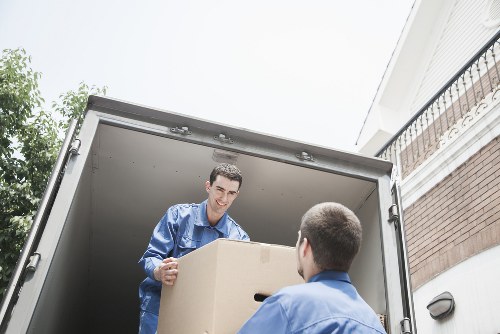 This policy is designed to support a structured safety culture across all tasks. Everyone involved must take reasonable care for their own safety and for the safety of others. We expect workers to follow instructions, report hazards promptly, and use equipment correctly. By doing so, our Man and Van Catford operations can be carried out efficiently while keeping risk as low as reasonably practicable.
Before any job begins, a basic risk assessment is completed to identify possible hazards and choose the right controls. This may include checking access points, parking arrangements, stairways, lighting, floor conditions, and the type of items being moved. For heavier or awkward items, we consider whether extra help, mechanical aids, or a revised handling method is needed. Careful preparation is an essential part of our health and safety approach.
All staff are expected to use proper lifting techniques and avoid unsafe manual handling. Loads should be assessed before lifting, kept close to the body where possible, and moved with steady movements rather than sudden twists. Team members must not attempt to lift more than they can safely manage. If an item is too heavy, too bulky, or unstable, the task must be stopped and reassessed. This helps protect both the crew and the customer’s possessions.
 Vehicles used for our man with a van work are maintained in a roadworthy condition and checked regularly for defects. Tyres, lights, brakes, mirrors, and load restraints are monitored to help prevent breakdowns and accidents. Loads must be secured correctly so that items do not shift during transit. Safe driving standards are always followed, including compliance with speed limits, rest breaks, and suitable driving behaviour in changing traffic conditions.
We also take steps to protect customers’ property during the moving process. Floors, doors, walls, and entrances should be handled with care, and protective materials may be used when necessary. Items are carried and positioned in a way that reduces the chance of crushing, dropping, or scratching. Where fragile or valuable goods are involved, extra caution is used, and packaging should be checked before lifting begins.
Personal protective equipment may be issued or required depending on the task. This can include gloves, safety footwear, high-visibility clothing, and other suitable items. PPE is not a substitute for safe systems of work, but it provides an additional layer of protection when carrying heavy objects or working in busy environments. Team members must ensure any equipment provided is worn correctly and kept in usable condition.
Our Man And Van Catford team is expected to remain alert to emergencies and respond appropriately if an incident occurs. First aid arrangements are kept proportionate to the work being carried out, and any injury, near miss, or property damage must be reported as soon as possible. Where needed, the task may be paused so that conditions can be made safe before continuing. Prompt reporting allows us to learn from incidents and improve future safety.
Training and supervision are central to this policy. Workers receive instruction on safe lifting, vehicle loading, route awareness, and hazard reporting so that they understand how to carry out duties safely. New team members are supervised until they can demonstrate a consistent standard of safe working. Refresher awareness is provided where needed to support ongoing compliance and good practice across our van and man activities.
We expect a clean and organised working environment at all times. Tools, straps, blankets, and other equipment should be stored properly to reduce clutter and prevent trips or falls. Smoking, alcohol, drugs, and any form of impaired work are not permitted during operations. Anyone who feels unwell, fatigued, or unable to work safely must speak up before taking part in a job. Safety always takes priority over speed.
 When working at client premises, staff must respect site rules, watch for moving vehicles, and be careful around stairs, ramps, and confined spaces. Communication between team members is essential, especially when carrying oversized items or reversing vehicles. Hand signals and clear verbal instructions help reduce confusion and prevent avoidable accidents. A calm and controlled approach supports safer outcomes for everyone involved in the move.
We are committed to reviewing this health and safety policy regularly to make sure it remains suitable and effective. Changes in work practices, vehicle use, equipment, or legislation may require updates to procedures. Improvement is encouraged at all levels, and suggestions for safer methods are always considered. Our aim is to maintain a reliable Man and Van Catford service that puts safety at the centre of every job.
Ultimately, this policy reflects our duty to protect people, property, and the quality of service we provide. By applying practical precautions, maintaining equipment, planning each move carefully, and following safe working methods, we reduce the likelihood of accidents and damage.  This commitment helps ensure that our man and van service operates responsibly, professionally, and with respect for health and safety at every stage.